
Electrical Safety Testing in Your House: What You Need to Know
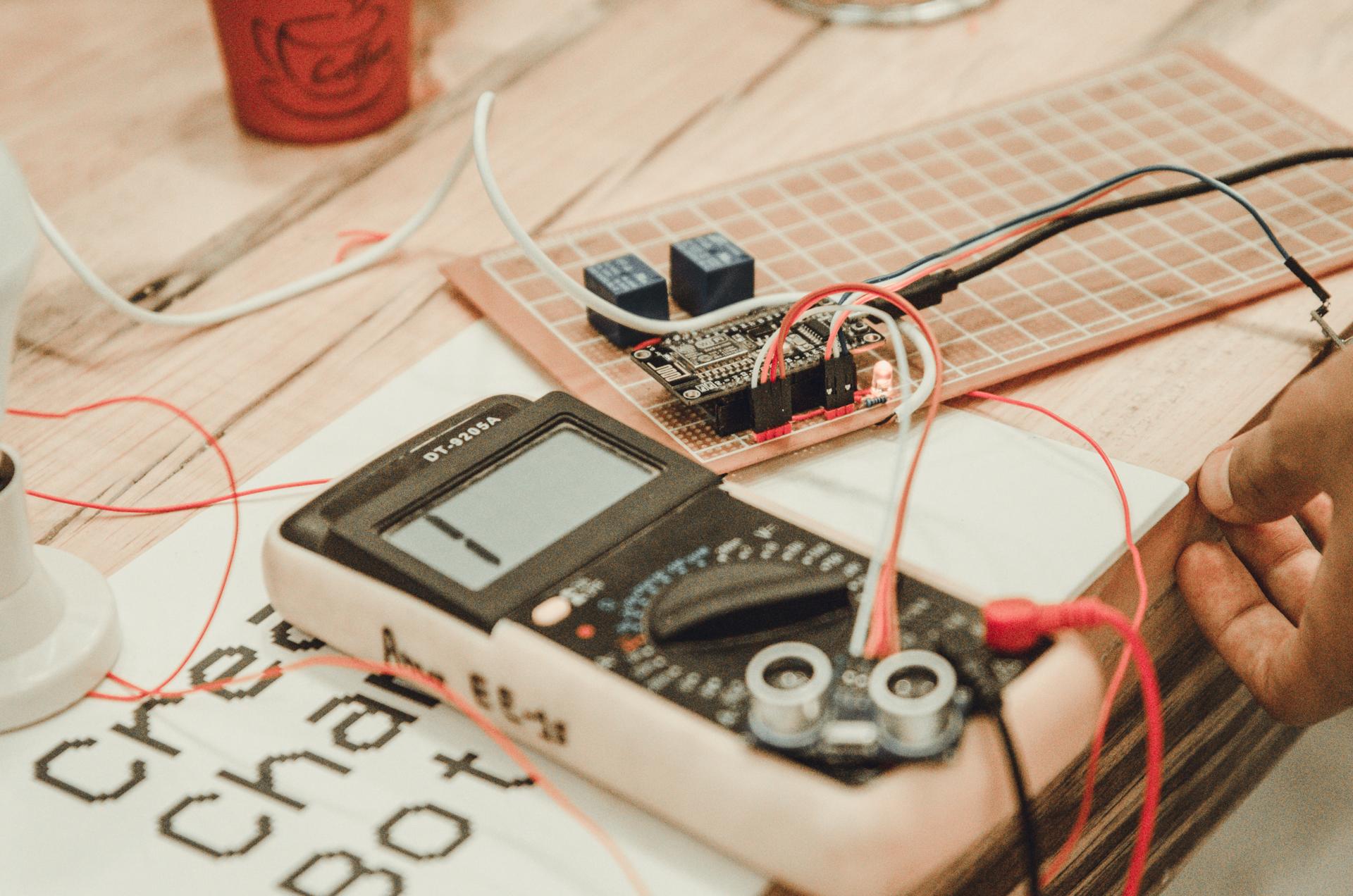
In terms of home safety one of the most important aspects to be considered is electrical safety. Electrical safety testing is the process of evaluating the electrical system of your home to ensure it’s safe and up-to-code. In this article, we’ll provide you with information on what electrical safety tests are, what tools will be required to conduct them, how to carry out the tests and what warning signs to be on the lookout for.
What exactly is what is an Electrical Safety Test?
An electrical safety test is the procedure of examining the electrical system within your home to make sure it’s functioning safely and correctly. The importance of electrical safety tests is as they can in preventing electrical fires and electrical accidents, and ensure the longevity the electrical systems you have.
Tools Required to conduct an electrical Safety Test
To conduct an electrical safety check, you’ll need a few essential tools. These include an electrical voltage tester, a continuity tester, circuit tester, as well as an outlet tester. It is utilized to check for live circuits while the continuity tester checks for circuits that are damaged. The circuit tester is utilized to look for wiring issues as well as outlets testers are used to detect electrical issues in outlets. It is essential to utilize the tools correctly in order to obtain exact results.
How to Conduct an Electrical Safety Test
To perform the electrical test inside your home, follow these steps:
Shut off the power supply for the circuit that you’re trying to test.
Utilize the voltage tester to test for live circuits.
Make use of this continuity tester to test for broken circuits.
Make use of the circuit tester for checking for wiring faults.
Utilize the tester for outlets to check for wiring problems in the outlets.
During the testing process Be sure to check for any evidence of wear or damage on the wiring, such as broken or frayed wires burn marks and loose wires. If you spot any problems, it’s important to address the issues as soon as you can to avoid potential hazards.
Signs of Electrical Problems to be Watchful For
There are a variety of warning signs that could signal electrical problems in your home. These include flickering lights and frequent circuit breaker trips and crackling or buzzing sounds emanating from outlets. They also include outlet that are hot or discolored, and a burning smell. If you observe any of these warning indicators, you must act immediately to prevent potential electrical hazards.
Conclusion
Safety tests for electrical appliances are essential to ensure the safety of your home and family. Through regular testing and fixing any issues quickly, you can avoid potential electrical hazards and extend the life of your electrical system. If you need help with electrical testing and repairs, don’t hesitate to contact Local Electrician Harrington Park. Our experienced team can give you professional guidance and assistance. Contact us at 1300 610 481 to schedule an appointment or request a quotation.
FAQ Section
How often should I perform an electrical safety test at my home?
We suggest conducting tests of electrical safety at least every year.
Do I have the ability to conduct an electrical safety test on my own or do I require a professional?
Although it’s possible to conduct tests for electrical safety on your own, it’s recommended to hire an expert to guarantee accurate results and to avoid any potential dangers.
Which are the top frequently encountered electrical problems that can be found during an electrical safety test?
The most common electrical problems that are discovered during a safety test are faulty wiring, overloaded circuits and obsolete electrical systems.
What should I do if I encounter a problem during the electrical safety check?
If you discover a problem when you conduct the electrical safety check it is important to act quickly. This may include getting a professional electrician to resolve the issue or replacing damaged equipment.